Protect student privacy across your campus
Automatically blur student faces, ID cards, and screen content in campus security footage, classroom recordings, and event photography.
See it in action
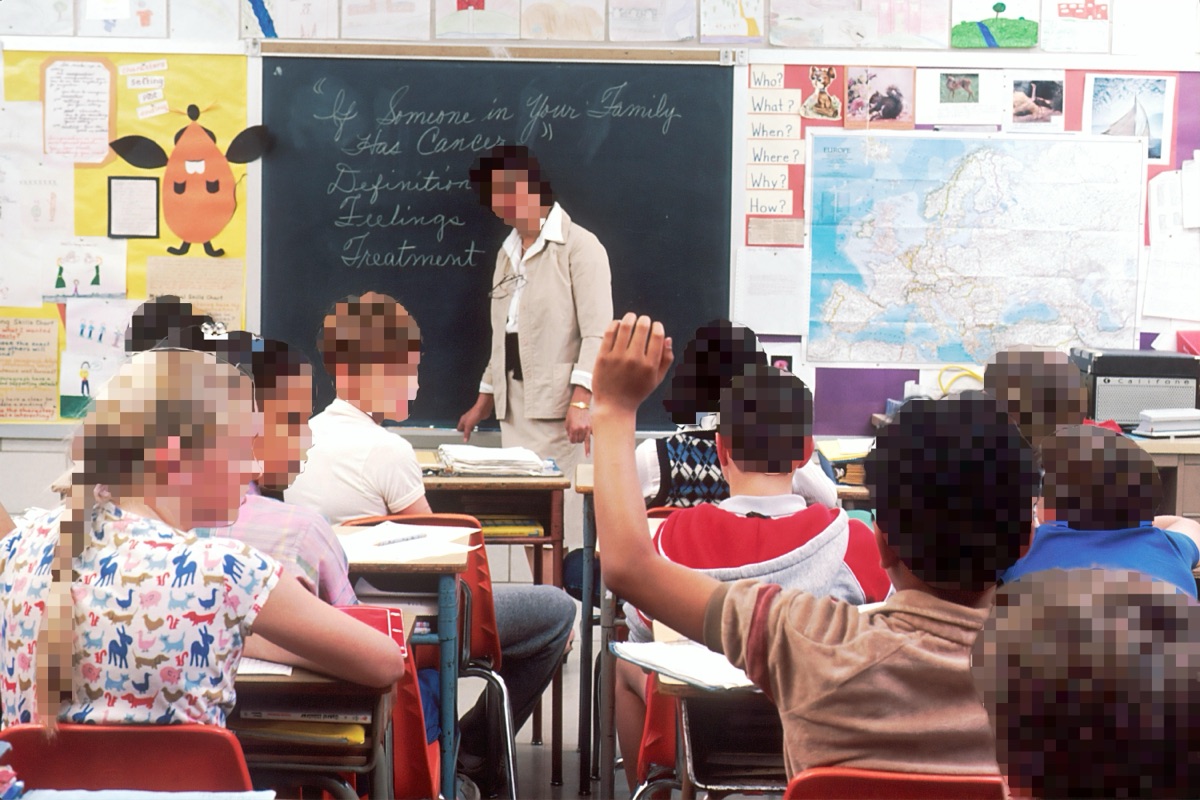
Watch PiiBlur scan and redact each image.



The compliance challenge
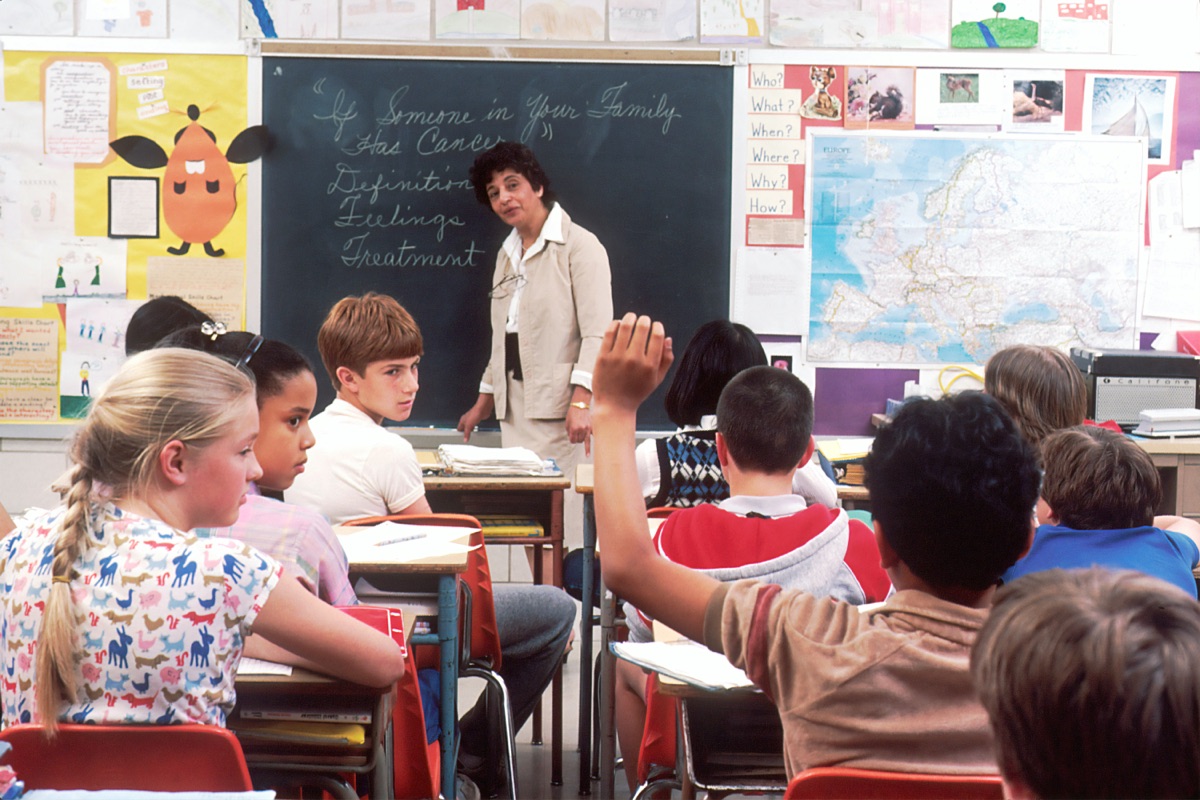
Student faces in campus footage everywhere
Security cameras, event photography, classroom recordings, and promotional materials all capture student faces. Under FERPA, any visual record linked to a student is an education record - and sharing it without consent is a violation.
Classroom recordings expose student data
Recorded lectures, virtual classrooms, and training sessions often capture screen content showing student names, grades, attendance records, and personal information on visible monitors and projectors.
Event and promotional photography
Campus events, sports, and promotional shoots capture hundreds of students. Obtaining individual consent for every student in every photo is impractical, yet publishing without consent creates FERPA and GDPR exposure.
How PiiBlur helps
Student face blurring
Automatically blur student faces in campus security footage, classroom recordings, and event photography. Process group shots with dozens of students in a single pass.
Screen content protection
Detect and blur screen content showing student names, grades, or records visible in classroom recordings, virtual lectures, and facility footage.
ID card redaction
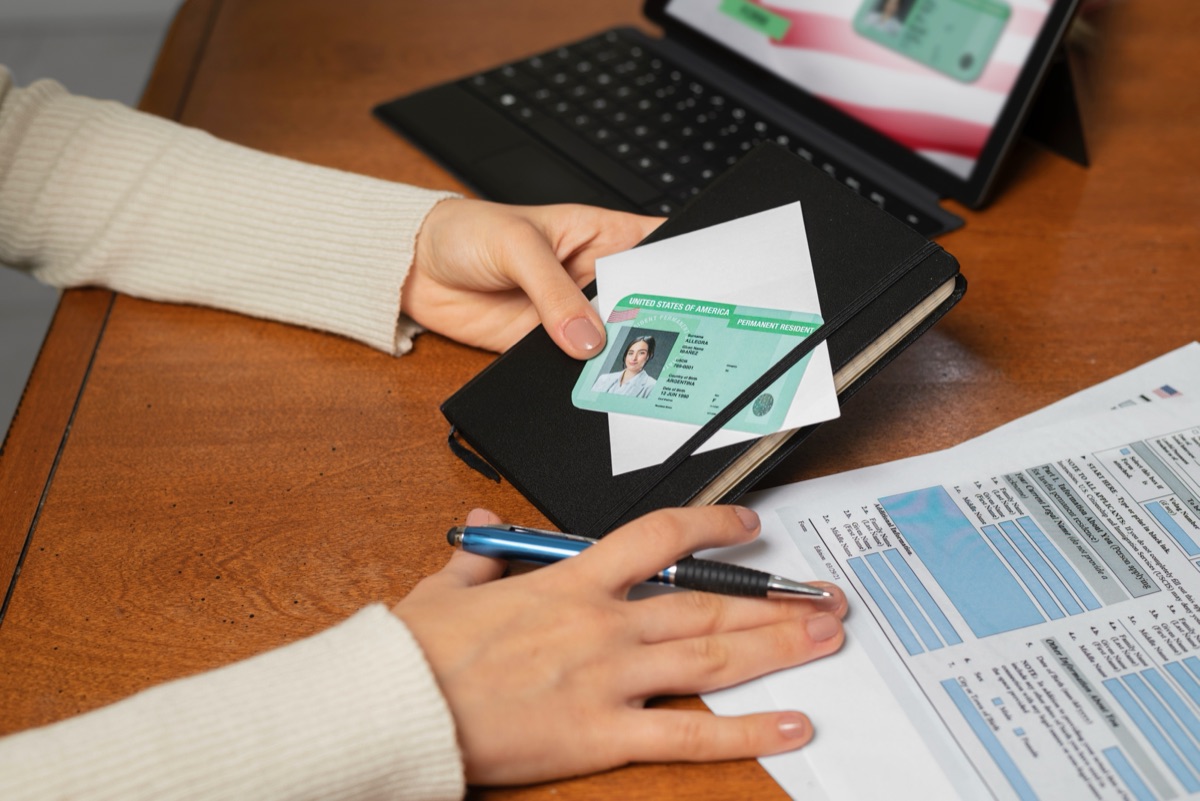
Redact student ID cards, library cards, and documents visible in campus footage and photography. Protect student identity in every context.
Compliance context
FERPA privacy workflows
The Family Educational Rights and Privacy Act protects the privacy of student education records. Visual records containing identifiable students may require consent or another permitted disclosure basis. PiiBlur automates the visual redaction step to support school privacy workflows.
Student privacy in online content
Schools publishing photos or video of students online may face privacy obligations under FERPA and, for students under 13, COPPA. Blurring student faces before publication can help reduce exposure when individual consent is impractical.
This is general information, not legal advice. Consult a qualified professional for compliance guidance specific to your situation.