Clear the FOIA backlog - not one frame at a time
Automatically redact heads, plates, documents, and screen content in body cam and dash cam footage for FOIA requests, court proceedings, and public release.
See it in action
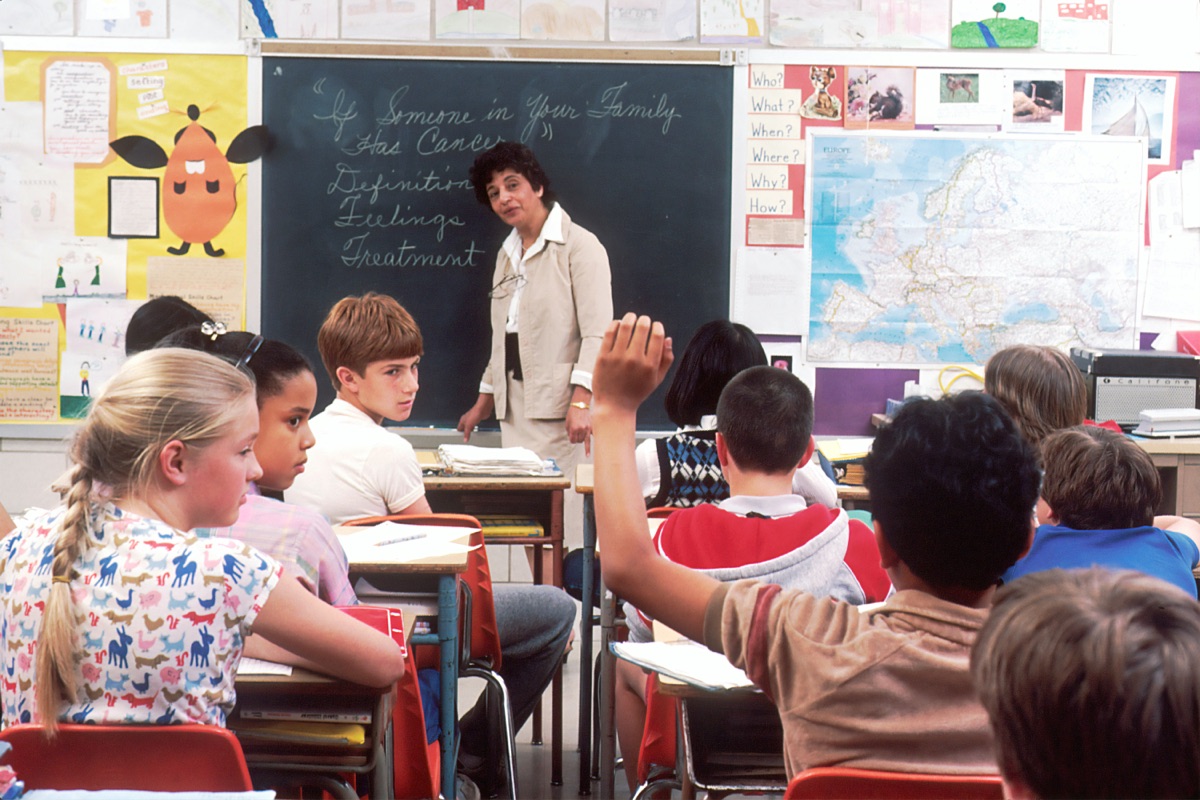
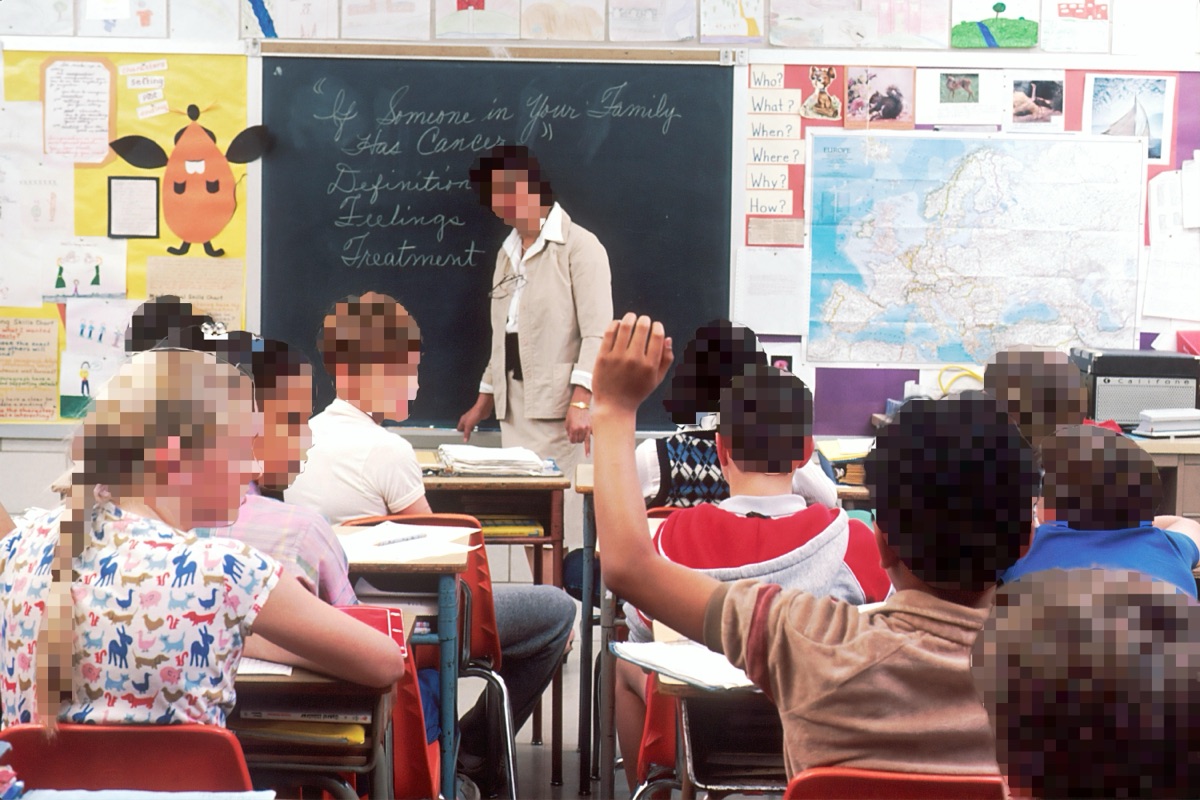
Watch PiiBlur scan and redact each image.






The compliance challenge
FOIA requests outpace redaction capacity
Body cam and dash cam footage often needs review and redaction before public records release. Manual frame-by-frame redaction creates backlogs that delay responses and tie up staff for hours per request.
Uninvolved parties need protection
Bystanders, minors, witnesses, and victims captured in body cam footage must have their identity protected before any public release. Missing a single face in a 30-minute clip can create legal liability.
Identifying details go beyond faces
ID cards, vehicle plates, and screen content visible in body cam footage can identify individuals even when heads are obscured. Comprehensive redaction requires detecting all these categories.
How PiiBlur helps
Automatic face redaction
Blur faces of bystanders, minors, witnesses, and victims in body cam and dash cam footage. AI detects faces across varying angles, distances, and lighting conditions.
Multi-category detection in one pass
Redact license plates, ID cards, documents, and screen content alongside heads - all in a single processing pass. No need to run separate tools for each PII type.
Scalable FOIA processing
Process footage via the REST API to handle FOIA volume without manual effort. Batch-process multiple clips in parallel and receive redacted files via webhook.
Compliance context
FOIA / State public records laws
The Freedom of Information Act and state-level public records laws require agencies to release body cam and dash cam footage upon request - but with personally identifiable information of uninvolved parties redacted. Response deadlines vary by state. PiiBlur automates the redaction step of that workflow.
Public transparency obligations
Agencies face increasing pressure to release body cam footage for public accountability. Automated redaction makes it practical to release footage promptly while protecting the identity of uninvolved bystanders, minors, and witnesses.
This is general information, not legal advice. Consult a qualified professional for compliance guidance specific to your situation.