Anonymize street-level imagery before it ships
Blur faces, license plates, and signs in street-level captures for mapping, surveying, and geospatial projects. Process thousands of images per day via API.
See it in action
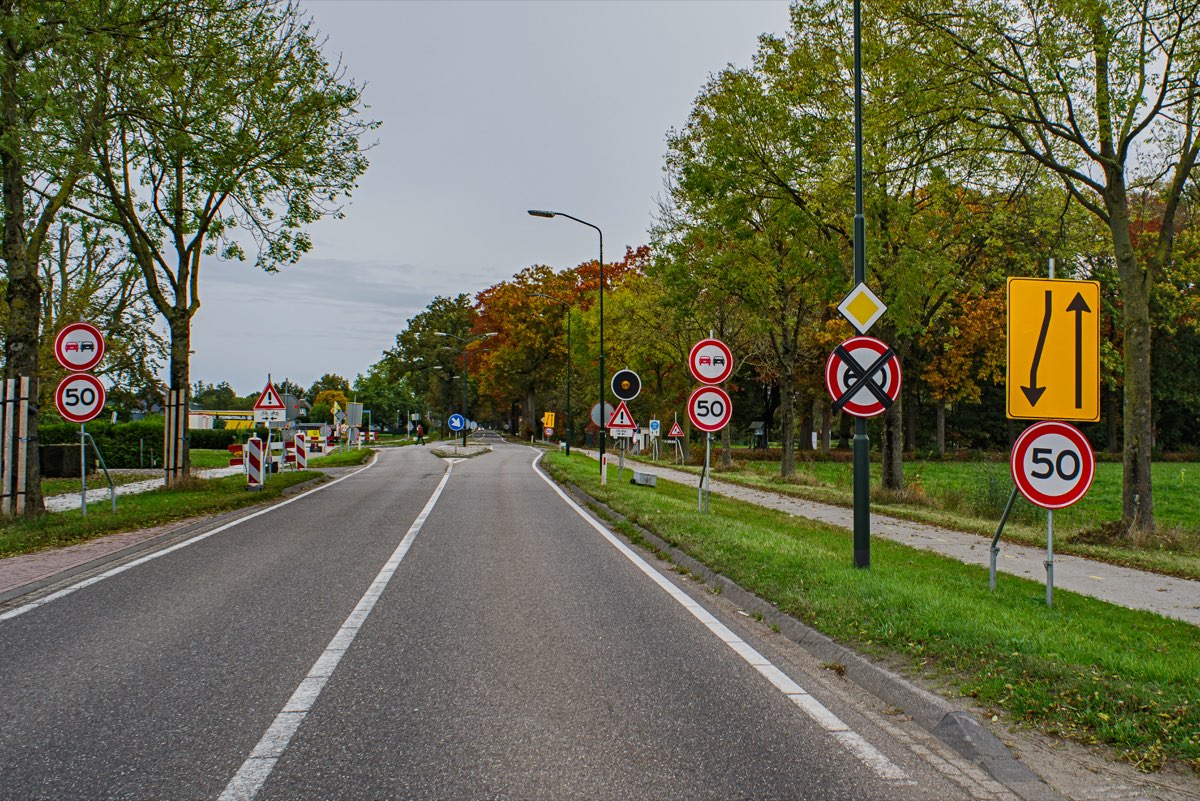
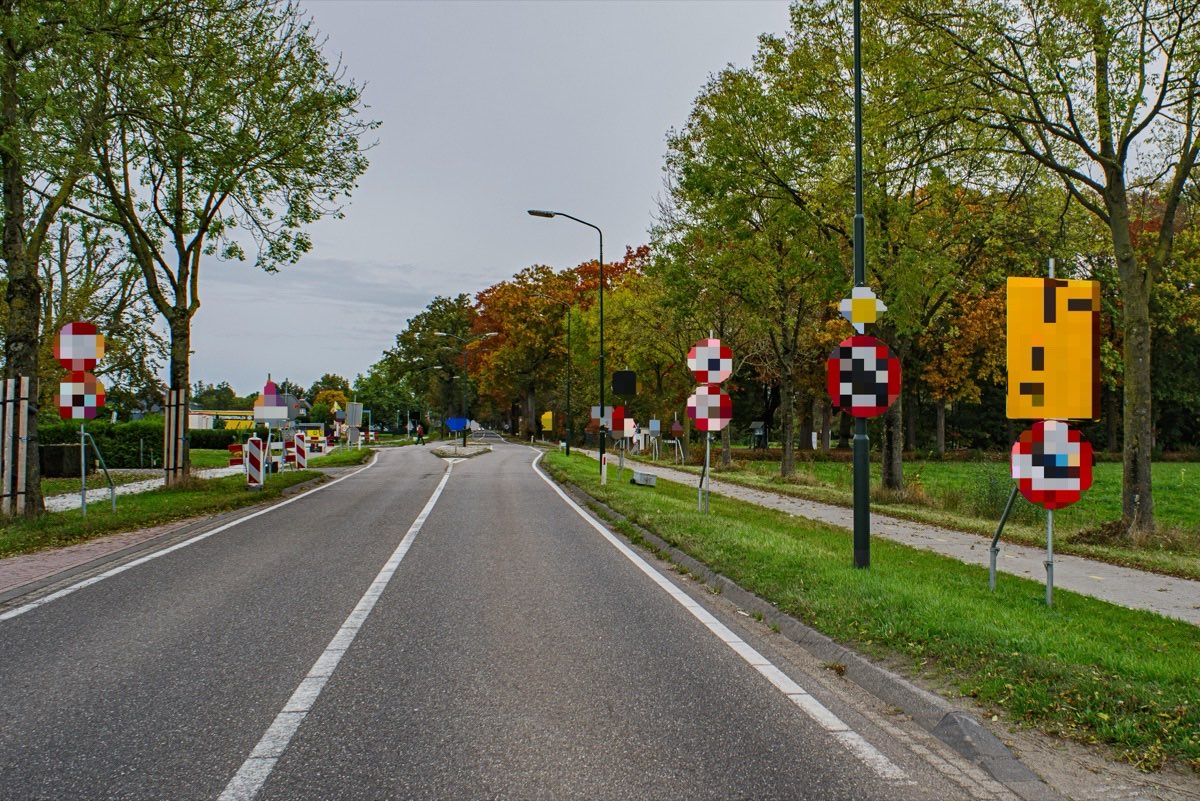
Watch PiiBlur scan and redact each image.




The compliance challenge
Every capture contains personal data
Street-level cameras capture pedestrian faces, vehicle plates, building details, and business signs in every frame. Panoramic and 360-degree captures multiply the PII surface - a single image can contain dozens of identifiable elements.
Data sharing requires anonymization first
Distribution agreements, municipal contracts, and privacy regulations all require anonymization before sharing street-level imagery with partners, clients, or the public. Unredacted data cannot leave your pipeline.
Mapping projects generate massive image sets
A single survey vehicle produces thousands of images per day. City-scale mapping projects generate hundreds of thousands. Manual anonymization is neither feasible nor cost-effective at this volume.
How PiiBlur helps
Face anonymization at any angle
Detect and blur pedestrian faces in panoramic, standard, and 360-degree street-level imagery. Works across varying distances, angles, and lighting conditions.
Vehicle plate redaction
Redact license plates across all visible vehicles - cars, trucks, motorcycles, commercial vehicles - in every frame, regardless of angle or partial occlusion.
High-volume API processing
Batch-process thousands of images per day via the REST API with webhook notifications. Integrate directly into your capture-to-delivery pipeline.
Compliance context
GDPR
Street-level imagery containing identifiable individuals may be personal data under GDPR. Visual redaction can support data minimization before publication or sharing, but GDPR status depends on the full context.
Local mapping regulations
Many municipalities and countries have specific regulations governing the collection and publication of street-level imagery. Anonymization of faces and plates is a baseline requirement in most jurisdictions.
This is general information, not legal advice. Consult a qualified professional for compliance guidance specific to your situation.