Process claims photos without exposing personal data
Automatically blur bystander faces, third-party plates, and personal details in claims photos, accident documentation, and site inspection footage.
See it in action
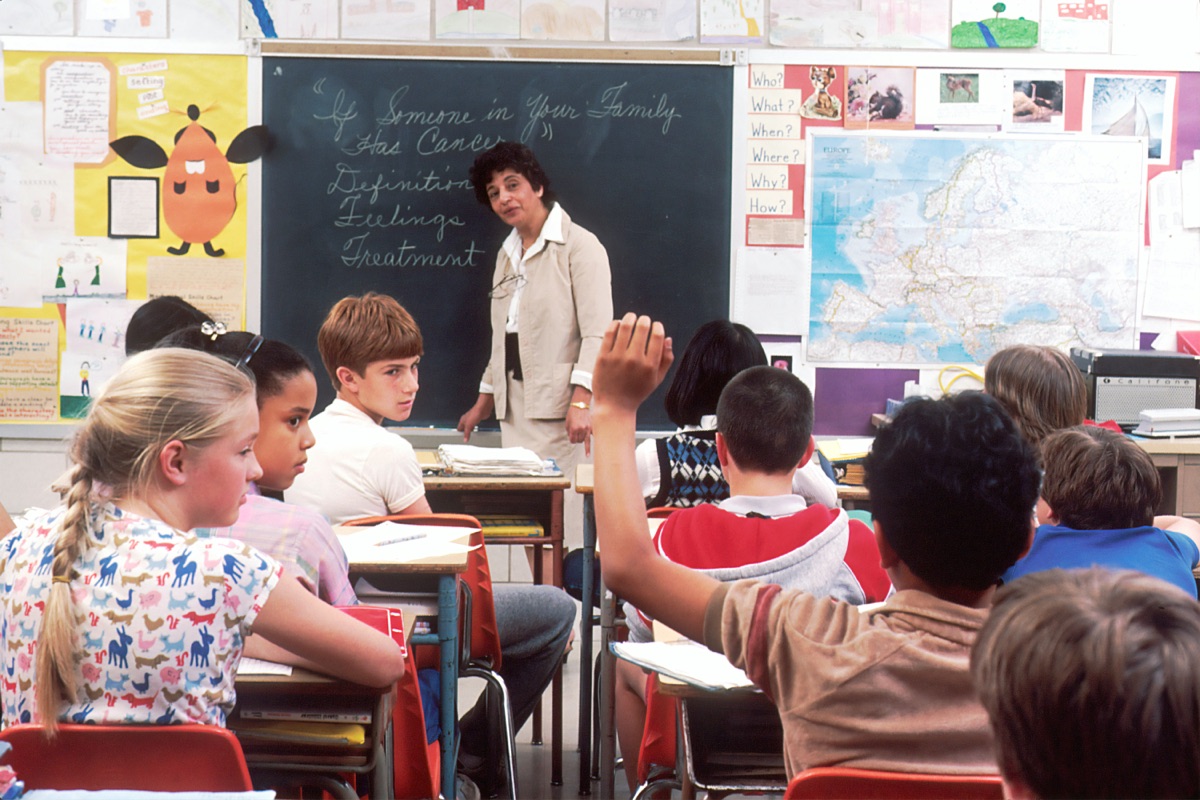
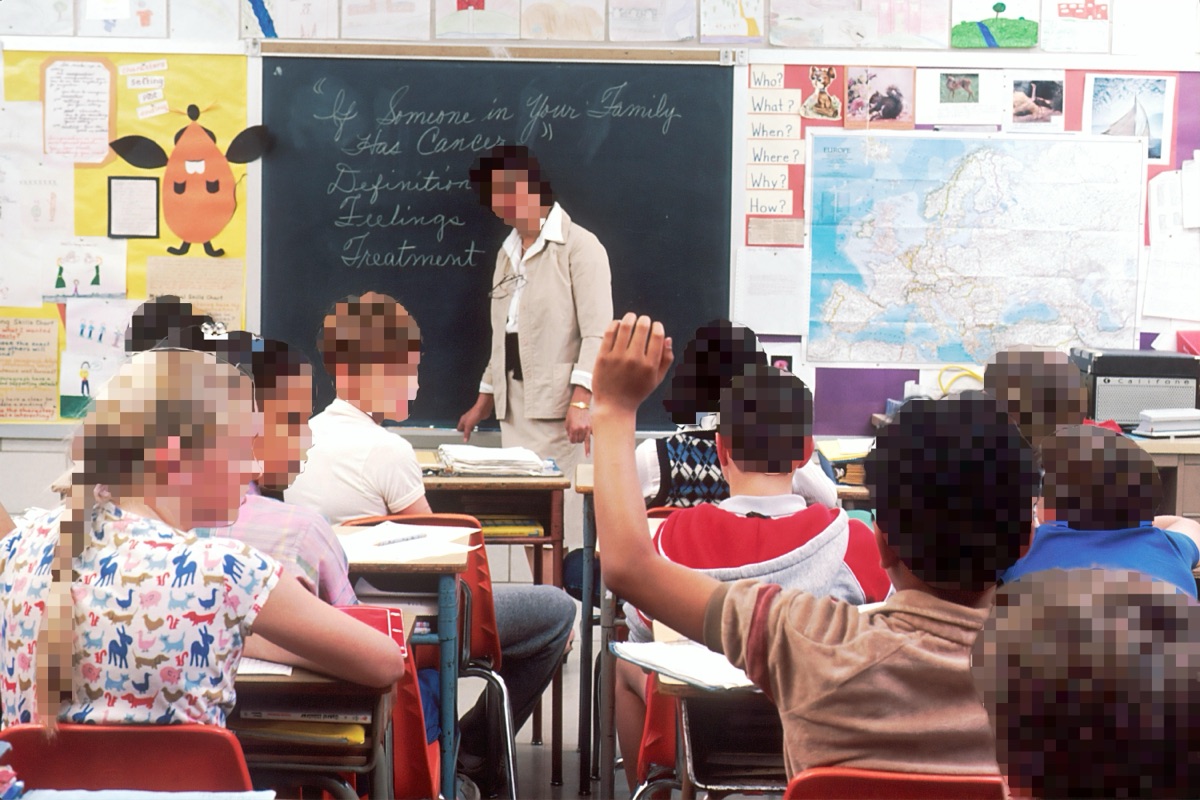
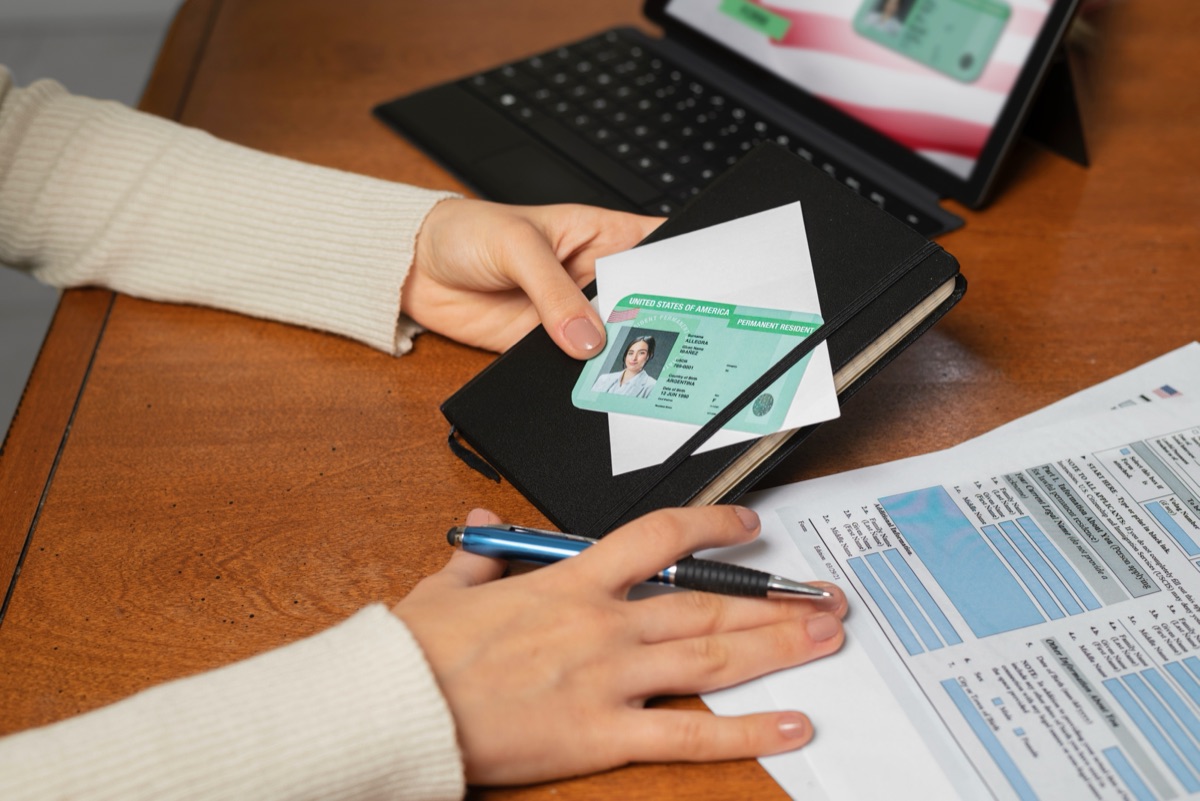
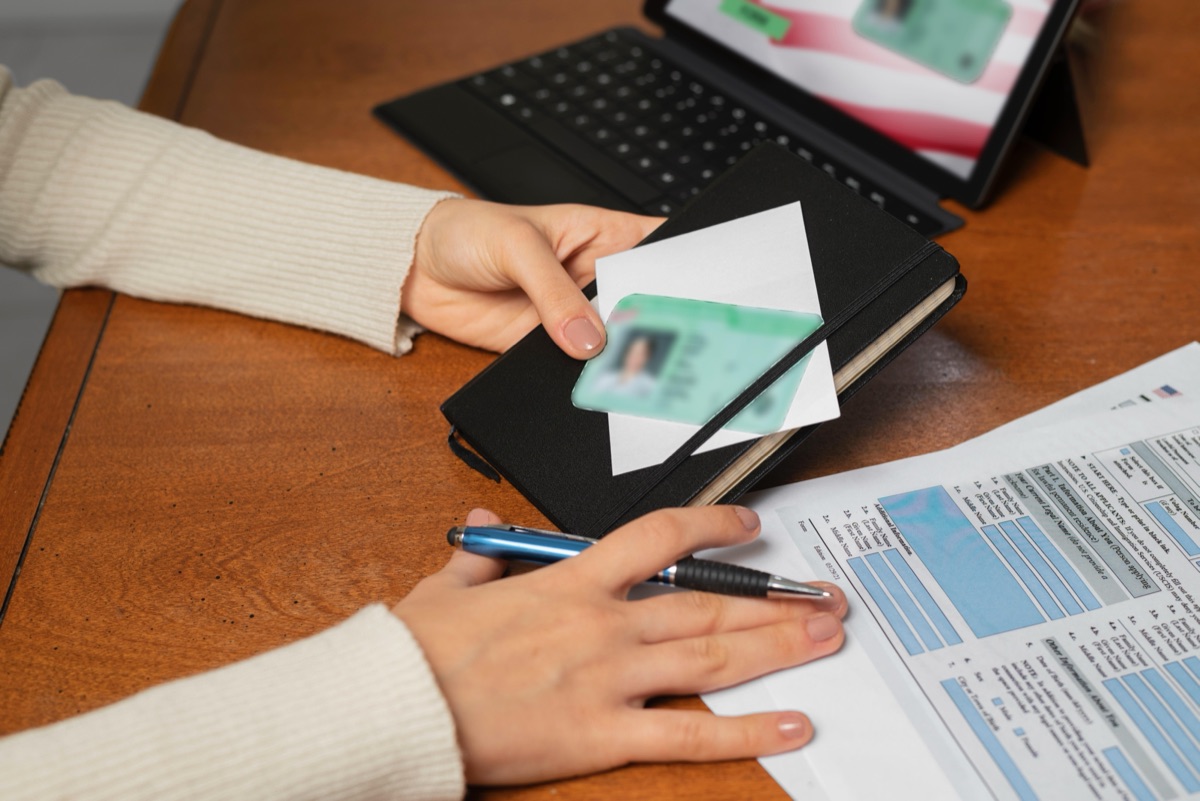
Watch PiiBlur scan and redact each image.


The compliance challenge
Bystanders in every accident scene
Claims adjusters photograph accident scenes, property damage, and injury sites. These photos capture bystander faces, onlookers, and emergency personnel - all personal data that must be handled carefully when the claim file is shared internally or with third parties.
Third-party vehicle plates throughout
License plates on vehicles not involved in the claim appear in nearly every accident scene photo. Each is personal data under GDPR and CCPA that must be redacted before the documentation enters the claims workflow.
Personal details in documentation photos
Claims documentation photos often capture insurance cards, driver's licenses, handwritten notes, and printed documents containing personal information beyond what's relevant to the claim.
How PiiBlur helps
Bystander face blurring
Automatically blur faces of bystanders, onlookers, and emergency personnel in accident scene and property damage photos. Reduce the PII surface in every claims file.
Third-party plate redaction
Detect and blur license plates on vehicles not involved in the claim. Works across varying angles, distances, and lighting conditions typical of roadside accident photography.
Document and text redaction
Blur handwritten notes, insurance cards, and printed text visible in documentation photos. Remove personal details that aren't relevant to the claim assessment.
Compliance context
GDPR
Claims documentation containing identifiable individuals is personal data under GDPR. The data minimization principle (Article 5) requires that only data necessary for the claim is retained - bystander faces and third-party plates should be redacted.
Data minimization
Insurance regulators increasingly expect data minimization in claims processing. Redacting personal data not relevant to the claim - bystander faces, third-party plates - reduces compliance risk and limits exposure in the event of a data breach.
This is general information, not legal advice. Consult a qualified professional for compliance guidance specific to your situation.