Redact dashcam footage at scale - not frame by frame
Automatically blur faces, license plates, and location identifiers in dashcam and body cam footage. Process thousands of hours without manual effort.
See it in action
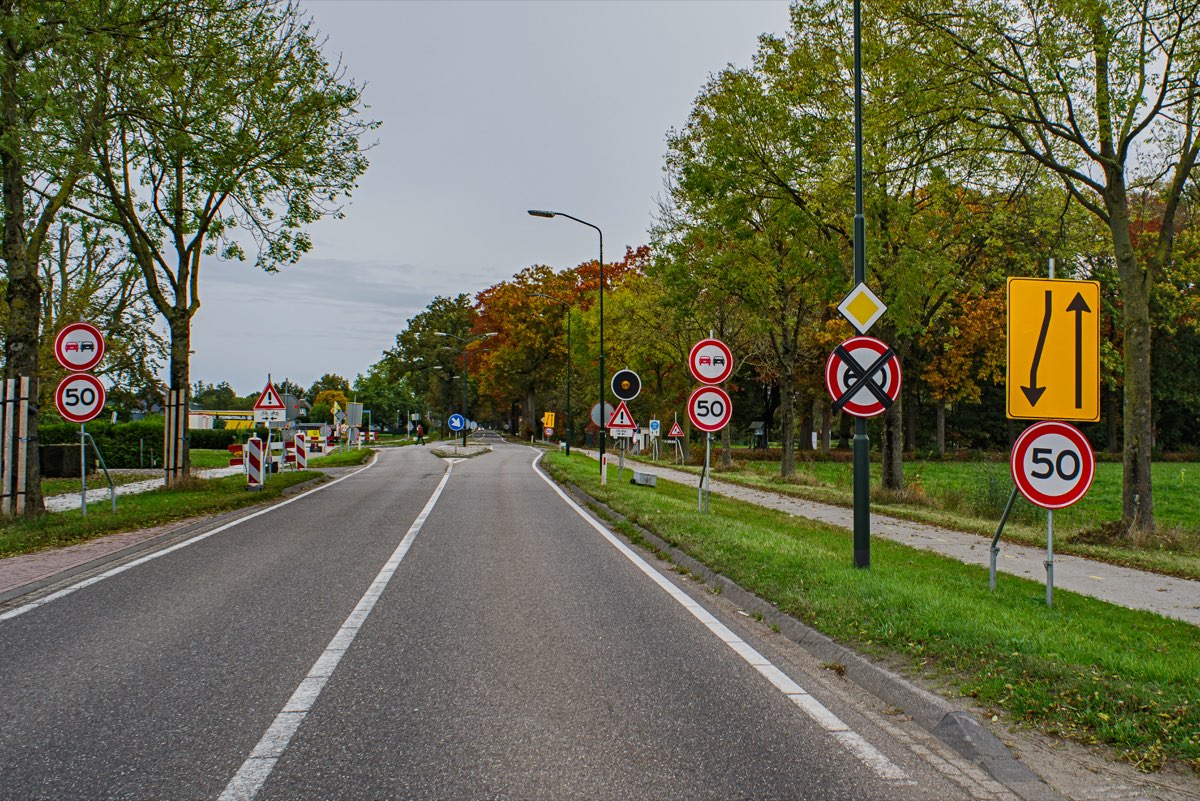
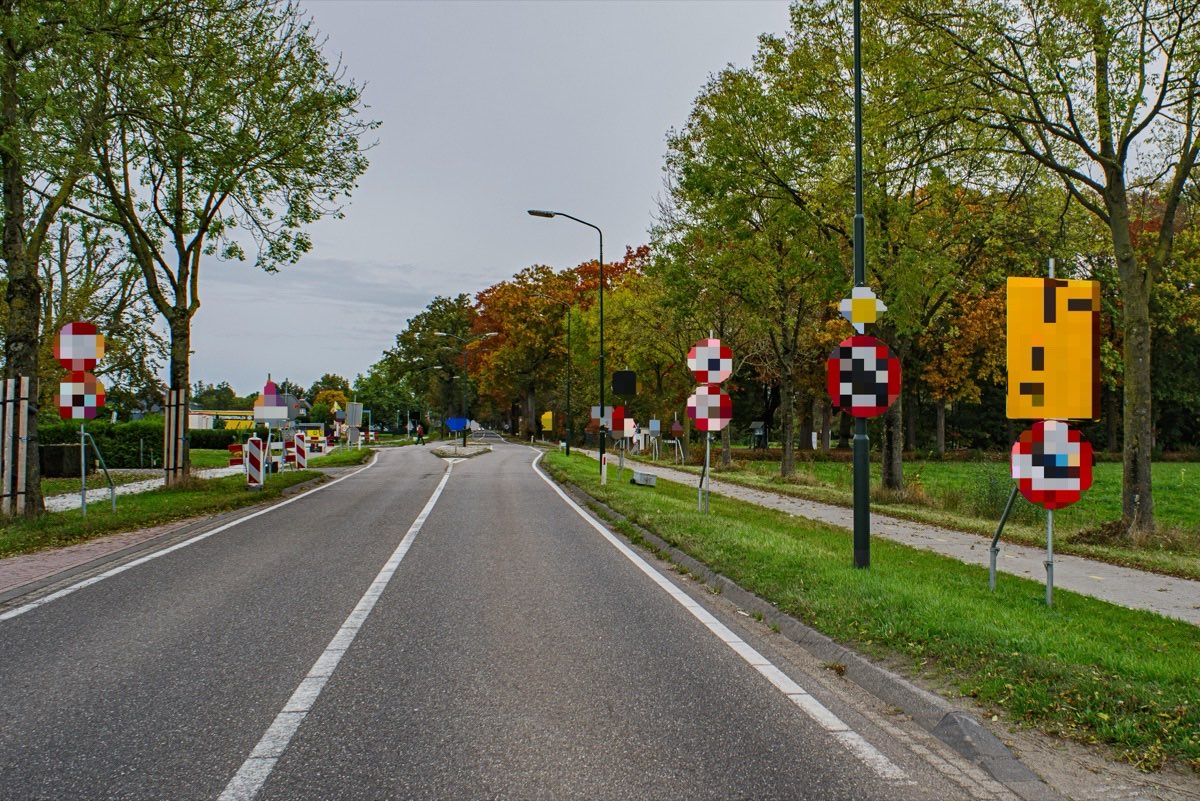
Watch PiiBlur scan and redact each image.




The compliance challenge
Thousands of hours of footage per week
Fleet dashcams record continuously - pedestrian faces, vehicle plates, and street-level detail in every frame. A 50-vehicle fleet generates hundreds of hours weekly. Manual redaction at this volume is impossible.
Sharing footage can create exposure
Insurance claims, accident investigations, and client reports all require sharing dashcam footage. Every unredacted face or plate in that footage is a GDPR or CCPA violation waiting to happen.
Location identifiers in every frame
Street signs, building numbers, and business names appear throughout dashcam footage. These details can identify individuals by placing them at a specific location and time.
How PiiBlur helps
Face and plate detection in motion
Blur pedestrian faces and surrounding vehicle plates captured by forward-facing and cabin-facing dashcams. AI segments every decoded frame to reduce missed redactions across the clip.
Street sign and location redaction
Automatically detect and blur street signs, building numbers, and other location identifiers that could place individuals at specific locations and times.
API-first batch workflows
Process video up to 10 minutes per file via the REST API. Integrate into your fleet management pipeline with automated uploads and webhook notifications on completion.
Compliance context
GDPR
Fleet dashcam footage captures personal data of pedestrians and other drivers. Under GDPR, this data must be processed lawfully and minimized before storage or sharing.
CCPA
California fleet operations must account for CCPA when dashcam footage captures identifiable individuals. Redacting before sharing with third parties reduces compliance risk.
This is general information, not legal advice. Consult a qualified professional for compliance guidance specific to your situation.