Publish property listings with less visual PII exposure
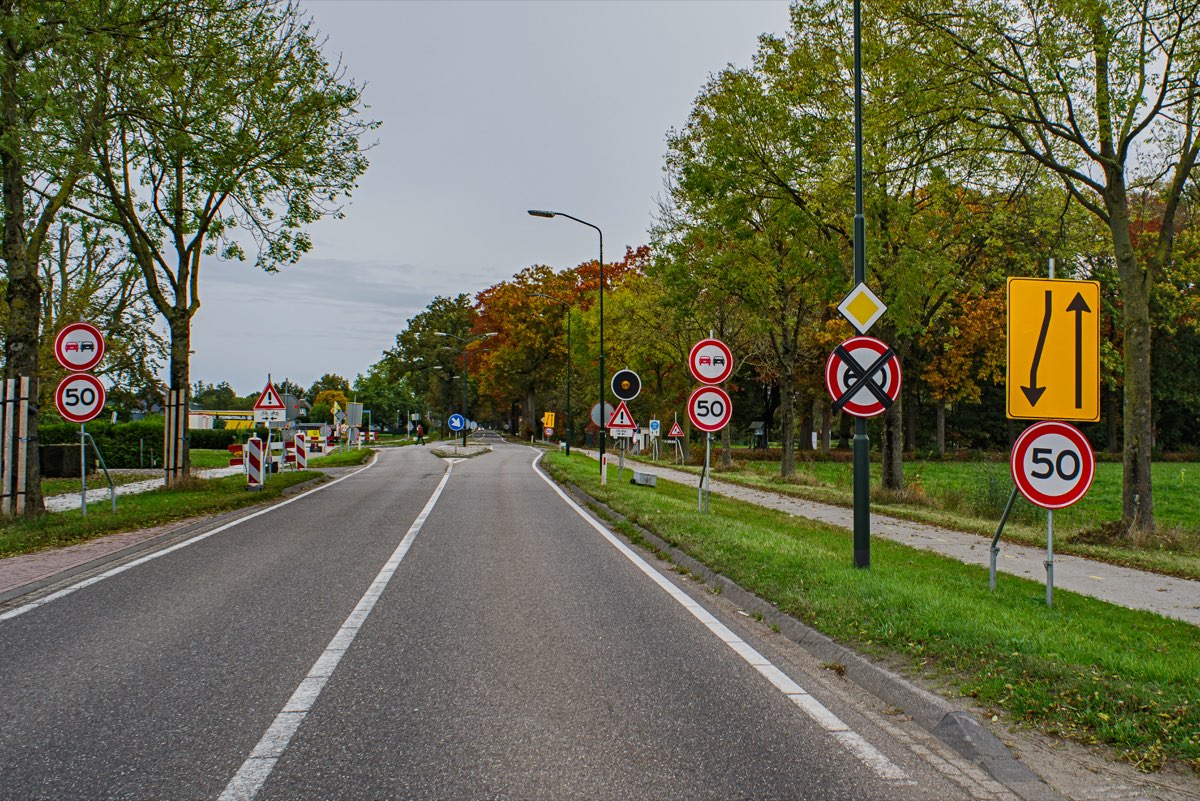
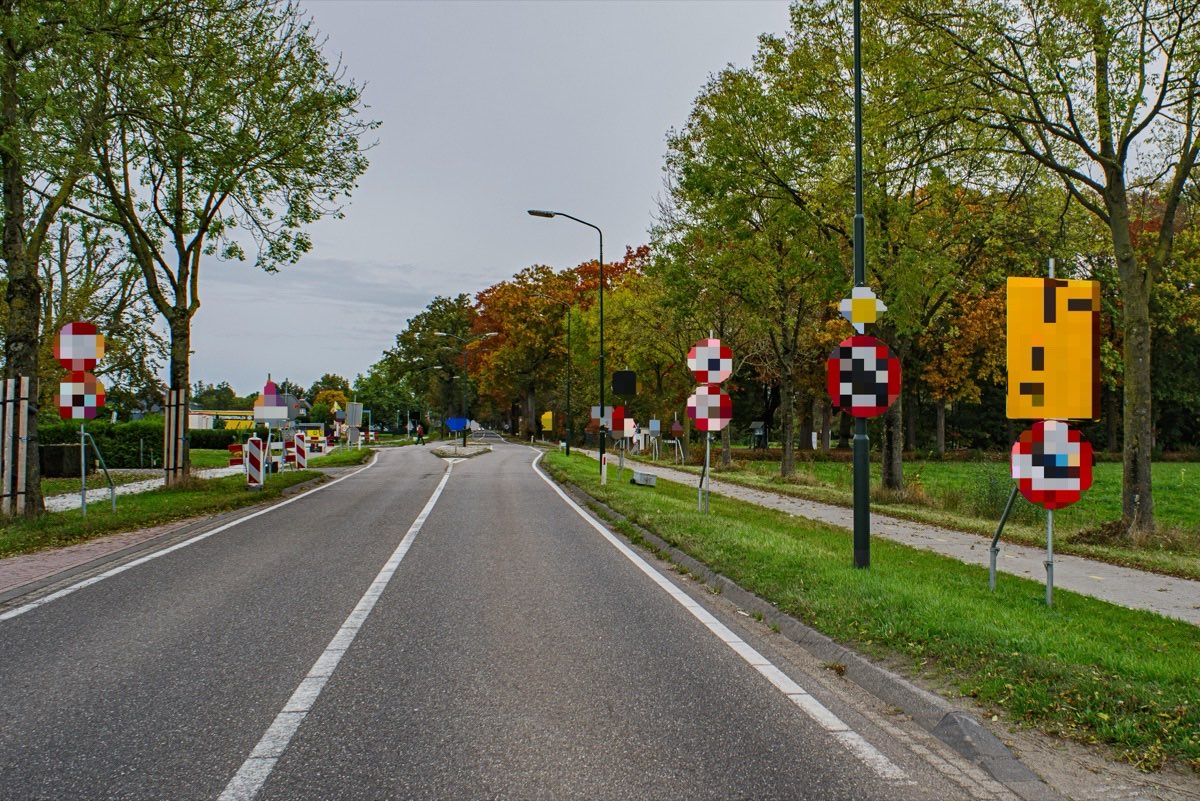
Automatically blur faces, license plates, and street signs in listing photos and virtual tours before they go live on MLS, Zillow, or your website.
See it in action
Watch PiiBlur scan and redact each image.




The compliance challenge
Bystanders in listing photos
Exterior shots capture neighbors, delivery drivers, and passersby. Publishing these on MLS portals or property websites may create privacy exposure and takedown requests when identifiers are not reviewed.
License plates in driveways and streets
Parked cars with readable plates appear in nearly every exterior and aerial drone shot. Many privacy workflows treat plates as visual personal data that should be minimized before publication.
Street signs reveal exact locations
Neighborhood overview images and drone footage reveal street names, building numbers, and business signs. Combined with other listing details, these can identify the exact addresses of individuals in the photos.
How PiiBlur helps
Automatic face detection
AI detects and blurs every face in listing photos - bystanders, neighbors, passersby - with no manual selection needed. Process exterior, interior, and virtual tour frames alike.
License plate redaction
Every visible plate on driveways, streets, and parking areas is detected and blurred automatically. Works on cars, trucks, motorcycles, and commercial vehicles.
Batch processing for full listings
Upload entire photo sets via the dashboard or automate with the REST API and webhook notifications. Process a 40-photo listing in seconds, not hours.
Compliance context
GDPR
The General Data Protection Regulation can apply to photos that identify people. Redacting visible faces and plates may help with data minimization as part of a broader privacy review.
CCPA
The California Consumer Privacy Act gives residents the right to know what personal information is collected. Listing photos containing identifiable faces or plates fall under this scope.
This is general information, not legal advice. Consult a qualified professional for compliance guidance specific to your situation.